Noemon
Noemon, son of Phronius, is a minor Ithacan character whose single decisive action—lending his ship to Telemachus—unwittingly exposes the suitors' murder conspiracy and propels the second half of the Odyssey. Though he appears only briefly, his testimony before the suitors transforms their vague hostility into an organized ambush, making him a crucial catalyst in the poem's central conflict.
Identity and Background
Noemon is identified as the son of Phronius, a resident of Ithaca. He owns at least one ship and keeps a herd of twelve brood mares with yearling mule foals on the mainland of Elis, which he plans to break and train. His willingness to lend his vessel to Telemachus suggests he is either a friend of the household or a man of generous disposition, for he tells Antinous that when "a man of his position said he was in a difficulty, and asked me to oblige him," he could not possibly refuse. This remark indicates that Noemon recognizes Telemachus's social standing and feels the obligation of xenia, the Greek code of hospitality, even toward a young man who is not yet the established master of his house.
The Loan of the Ship and Its Consequences
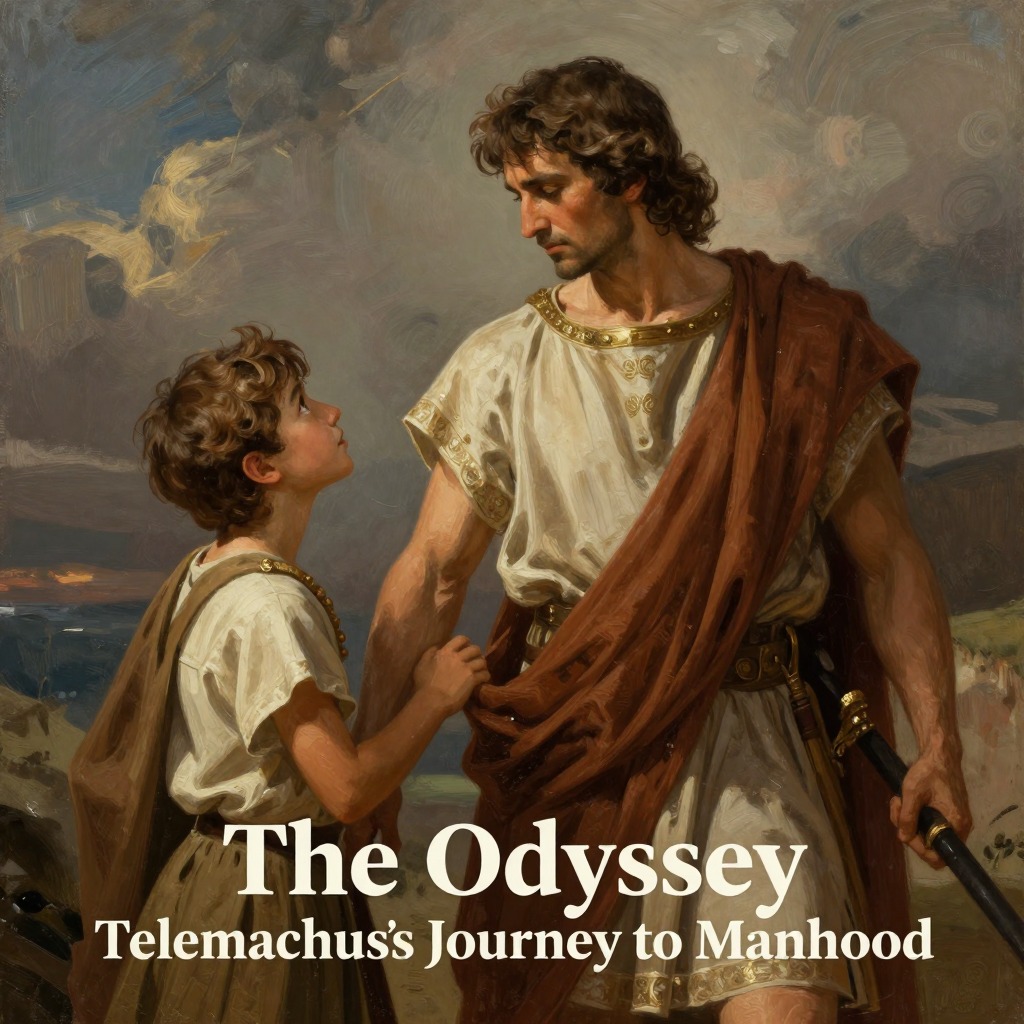
Noemon's role begins when Athena, disguised as Mentor, approaches him to request a ship for Telemachus's voyage. Noemon readily agrees, and the goddess herself prepares the vessel, stationing it at the harbor's end and equipping it with standard tackle. The ship carries Telemachus, a crew of twenty, and the disguised Athena to Pylos, where the young prince begins his quest for news of Odysseus.
The consequences of this loan unfold when Noemon, needing his ship back to cross to Elis, approaches Antinous and Eurymachus in the yard before Odysseus's house. He asks innocently whether they know when Telemachus will return from Pylos, revealing that the prince has been gone for some time. The suitors are "astounded," having believed Telemachus was merely visiting his farms. Noemon further discloses that the crew consisted of "the best young men we have" and that Mentor—or a god in his likeness—served as captain. He adds the puzzling detail that he saw Mentor in Ithaca that very morning, though Mentor had supposedly sailed for Pylos. This testimony, delivered without malice, provides the suitors with their first certain knowledge of Telemachus's voyage and its scale.
The Suitors' Response and the Ambush Plot
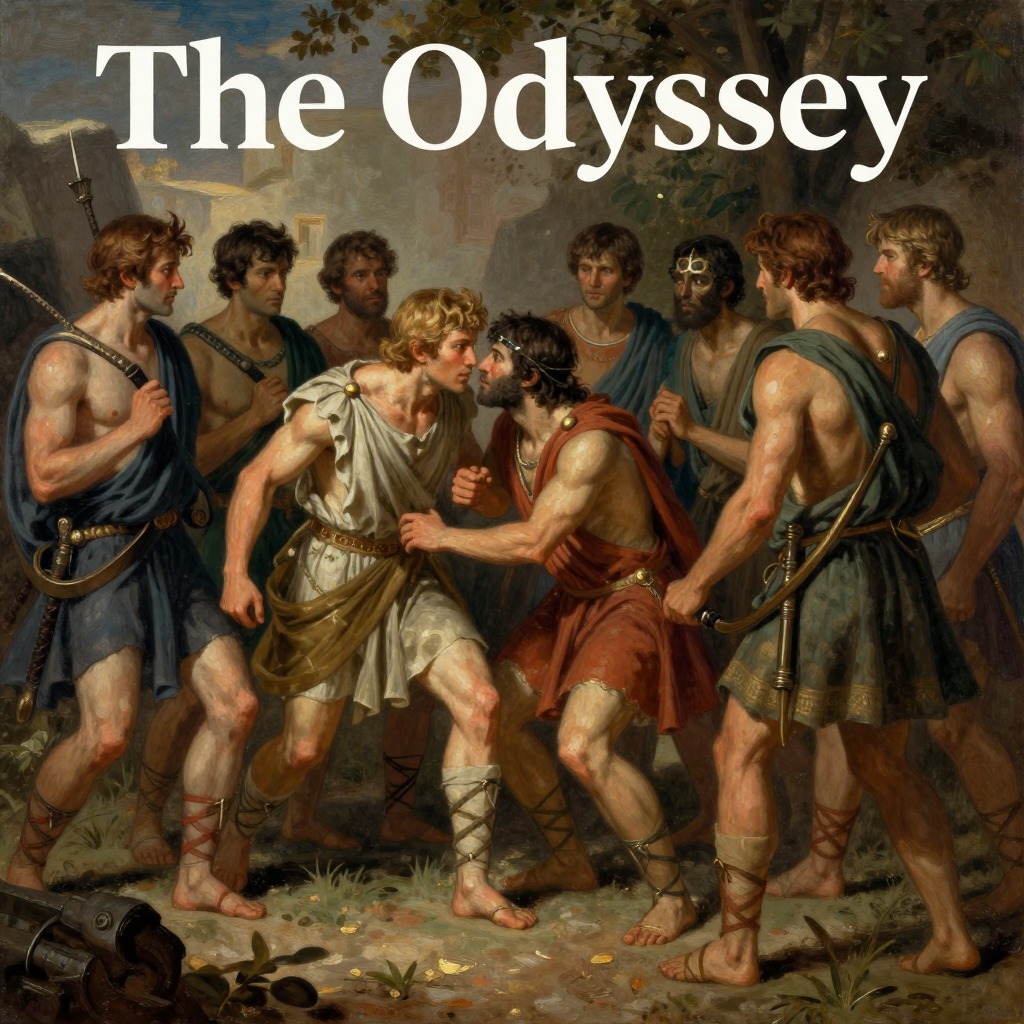
Antinous reacts with fury, his heart "black with rage" and his eyes "flashing fire." He declares that Telemachus's voyage is "a very serious matter" and that the young man "will be giving us trouble presently." He immediately calls for a ship and twenty men to lie in wait for Telemachus in the straits between Ithaca and Samos, vowing that the prince "will then rue the day that he set out to try and get news of his father." The other suitors applaud this plan. Thus Noemon's unwitting revelation transforms the suitors' passive resentment into an active, organized conspiracy to murder Telemachus before he can return home.
Narrative Significance
Noemon functions as an unwitting informant whose ordinary business triggers the suitors' most desperate and villainous scheme. His brief appearance serves several structural purposes: it provides the suitors with the intelligence they need to act, it raises the stakes for Telemachus's journey, and it deepens Penelope's anguish when the servant Medon overhears the plot and reports it to her. Moreover, Noemon's mention of the mysterious Mentor figure—whom he saw both in Ithaca and on the ship—subtly hints at divine intervention without explicitly revealing Athena's role. His character exemplifies how minor agents in the Odyssey can set major events in motion through simple, everyday actions, and how the poem weaves a network of small causes that converge toward the climactic slaughter of the suitors.